
Version Differences and System Differences of Hold and Win Games

I have invested countless hours examining the nuanced mechanics that separate a ordinary bonus round from a truly electrifying one. The Hold and Win franchise has proliferated across the UK slots landscape, yet not all versions are crafted equal. From volatility tweaks to platform-specific interface tweaks, the devil dwells firmly in the details. I aim to chart precisely how these versions diverge across desktop, mobile, and retail terminals.
Feature Buy and Bonus Enhancement
Direct Purchase Discrepancies
The “Buy Bonus” button is a center of dispute, review game hold and win, and its application is far from consistent. I have seen the fee range from 40x to 120x your total bet. The higher the multiplier, the more starting sticky symbols you typically receive. Some platforms limit you to a standard three-spin start irrespective of payment, while others guarantee a minimum of two locked reels. I always compute the cost against the theoretical feature payout before clicking.
Operator-Restricted Bonus Buy
This is where UK regulations apply most strictly. The Gambling Commission has effectively banned bonus buy features for UK-licensed online casinos. Therefore, the version you play on a UK-facing site will have this button entirely absent. I find it disconcerting to switch between an offshore crypto casino and a UK-regulated site, only to see the UI altered. Retail terminals never featured the option, but the code remains dormant in the background.
Retail Terminal Configurations
Cabinet Machine Systems
Walking into a UK bookmaker, I am greeted by looming digital cabinets operating bespoke Hold and Win builds. These versions strip away the touch-and-drag features. You engage via a large physical spin button and secondary touch panels. The screen real estate is vast, allowing for oversized prize symbols that overshadow their mobile counterparts. The sound design is also calibrated for communal spaces, highlighting bass-heavy jingles.
Legal Adjustments on the High Street
The UK Gambling Commission enforces stricter reality checks on physical terminals. I have observed that retail versions apply mandatory session timers more forcefully than online counterparts. The turbo spin feature is often disabled entirely to slow down play cycles. Crucially, the max stake on B2 terminals caps the potential exposure, implying the Grand Jackpot seed values are frequently reduced than the unregulated online pools.
Platform-Agnostic Integration and User Account Linking
Operating with a unified wallet across desktop and mobile needs to be seamless, but session states often break. I have initiated a bonus round on my phone, closed the app due to a dead battery, and accessed on a desktop to find the feature reset to a default spin. This is a platform-specific bug that afflicts older HTML4 wrappers transferred hastily to modern app stores. Always confirm the game saves state server-side, not client-side.
- Server-side state saving secures your active respin round withstands a crash.
- Client-side storage jeopardizes losing a Grand Jackpot collection phase if the app closes.
- Cross-platform progressive jackpots have to share a unified liquidity pool to be effective.
- Bet history logs often display differently on iOS versus Android, confusing tax calculations.
The implementation of responsible gambling tools also splits across devices. Desktop versions offer detailed reality check pop-ups that overlay the reels. Mobile versions often minimize these to a banner notification that is easily removed. I think the intrusive desktop pop-up is more effective at breaking a loss-chasing trance. The friction of dismissing a full-screen alert is a necessary psychological brake.
Push notification strategies are distinct too. A native iOS app might ping you when the must-drop jackpot reaches a certain threshold. A browser-based mobile site is unable to do this entirely. I have missed several ripe jackpot windows simply because I refused to install the bloated native app. The trade-off between storage space and actionable jackpot intelligence is a modern gambling dilemma particular to this genre.
Loyalty point accumulation is not always 1:1. I have audited sessions where a £10 stake on desktop earned ten comp points, while the identical wager on an iPad earned eight. This is often buried in the terms and conditions under “platform weighting.” Operators assume mobile users are more casual and less likely to audit their reward accrual. I check the points-per-pound ratio on every device before committing serious volume.
- Confirm the RTP in the game rules menu before depositing.
- Assess the spin cycle speed on your specific device to calculate hourly cost.
- Verify the jackpot contribution rate is identical across your preferred platforms.
- See whether the auto-play limits are stricter on mobile than on desktop.
- Remember to trigger a manual logout to force a server-side session sync.
The division of the Hold and Win ecosystem means you are rarely playing the precise same math model twice. A slight shift in the OS, screen resolution, or licensing jurisdiction can transform a fair game into a capital destroyer. I regard every new platform as a different slot machine, irrespective of the usual branding on the loading screen. The name may be identical, but the base calculations seldom is.
I have also noticed that demo mode versions often run on a separate server version than real-money modes. The demo could spin with a higher hit frequency to draw you in, just for the cash version to stiffen. This is no conspiracy; it commonly is a consequence of lazy developers not syncing the demo RTP with the operator’s preferred live range. Always transition to a minimum stake test before assessing a game’s actual pace.
Understanding these version differences transforms you from a non-analytical player into an strategic player. I no longer see a single slot name; I view a matrix of builds, each with distinct mathematical signatures. The skill lies in recognizing which fingerprint aligns with your risk tolerance and device preference. Ignoring these variations is akin to buying a car without checking the engine size.
The Fundamental Mechanic: A Steady Foundation

The core heartbeat of any Hold and Win title remains the respin mechanism. You get six or more prize symbols, and the grid freezes, restarting your spin counter to three. Every new symbol that attaches resets the tally. I view this rhythmic loop instantly recognizable, regardless of the skin layered around it. The tension builds identically whether you are playing a classic fruit variant or a mythology-themed sequel.
However, the mathematical model supporting that loop varies dramatically between releases. I have observed hit frequencies spanning from 1 in 120 spins to a severe 1 in 280 spins. The base game volatility often influences how desperately you pursue that initial trigger. Some versions tease you with two or three scatters constantly, while others deprive you entirely before unleashing a cascade of sticky symbols during the feature.
The visual feedback during the respin phase also differs. Older builds use a rigid, almost mechanical countdown timer. Newer HTML5 versions use dynamic screen shaking and particle effects. I consider this a crucial psychological lever; the audio-visual intensity often masks a mathematically weaker bonus round, holding casual players engaged through sensory overload rather than genuine payout potential.
Return-to-Player Ranges and Risk Profiles
Return to Player is the most manipulated variable across platforms. A game with the same branding might run at 96.1% on one casino and a unfair 87.2% on another. I always take care to check the game rules splash screen before a single spin. Operators can select from predefined RTP brackets, and the lower brackets often lower the base game payouts while maintaining the jackpot contributions static, creating a brutal loss rate.
Variance math models are often termed “Classic,” “Power,” or “Win Ways.” The Classic model distributes prizes evenly across the Minor and Major tiers. The Power model deprives the lower tiers to inflate the Grand seed. I have observed that mobile-first releases tend to lean toward the Power model, banking on the fact that mobile sessions are shorter and players desire a single life-changing hit rather than a grind.
The hit frequency of the bonus round itself is rarely disclosed, but I sense it. Some versions use a “tease” algorithm where two scatter symbols land with alarming frequency to trigger near-miss psychology. Others are blunt instruments, giving you the feature rarely but loading it with enhanced multipliers. I prefer the latter; the honesty of a low-frequency, high-potency bonus is easier to manage with a strict bankroll strategy.
Jackpot Systems and Award Pool Structures
The set jackpot ladder determines the genre, yet the tier values fluctuate wildly. I categorize these into three separate pools. The first is the fixed network pot, where the Grand returns to a flat £10,000 regardless of contributions. The second is the growing pot, where a tiny fraction of every failing spin funds the top prize. The third, and my personal favourite, is the time-limited guaranteed jackpot.
Must-drop versions create a intense strategic layer. I know the jackpot must fall before a certain deadline, which alters the expected value calculation. Some platforms display a live ticker; others keep the drop time behind the scenes. The Mini and Minor tiers usually remain static, but the Major tier often functions as a buffer. I identify games where the Major caps at 100x stake provide a much steadier return profile than those with a huge gulf between the Mini and Grand.
The gathering mechanic for the Grand jackpot varies too. In traditional versions, filling all fifteen positions triggers the top prize. However, I have tried variants where the Grand is exclusively awarded through a random spin overlay or a unique diamond symbol. This distinction is vital. A grid-fill requirement makes the Grand mathematically reachable during the feature, whereas a random overlay can appear like a rigged lottery.
Visual Designs and Sound Profile Changes
The visual skin is not merely cosmetic; it dictates the playing speed. A complex Egyptian visual style requires longer reel-stop sequences. A minimalist fruit variant stops the reels right away. I’ve measured the spin duration on a visually rich build at 4.2 seconds compared to 2.8 seconds on a classic skin. Across one thousand rounds, this temporal gap accumulates, affecting your expected hourly loss considerably.
Audio signatures differ as well among game creators. One team could feature a climbing orchestral buildup during the lock phase, whereas another depends on a looping synthetic beat. The symphonic developments feel more engaging to me, but they often mask the sound of the balance counter ticking down. A clear, crisp coin-falling noise for the small jackpot anchors me, whereas a muddy sound mix disconnects me from the value of the win.
Themed compared to standard designs bring another level. A branded fishing-themed respin title may include a “reel-in” feature in which piscine icons uncover monetary amounts in the main round. This combined strategy confuses the distinction separating the main respin mechanic from the primary mode. I assess these mixed designs with caution; the extra main round mechanic frequently pays for itself by drastically lowering the return of the standard line pays.
PC Versus Mobile: Engineering Divergence
I hardly ever play slots on a compact screen, but testing mobile ports reveals intriguing compromises. Developers often reduce the symbol count or adjust the grid slightly to fit vertical thumb scrolling. The spin button moves to the bottom right, and the auto-play menu shrinks into a subtle icon. These UI adjustments appear minor until you understand they modify your physical interaction rhythm.
On desktop, I prefer the wide landscape view where side panels show jackpot values without blocking the reels. Mobile versions commonly conceal the jackpot tiers behind a different info tab. This intentional obfuscation can lead to players failing to see the exact value of the Grand prize. I have observed that touch-screen haptics also bring a tactile delay missing from the instant click of a mouse.
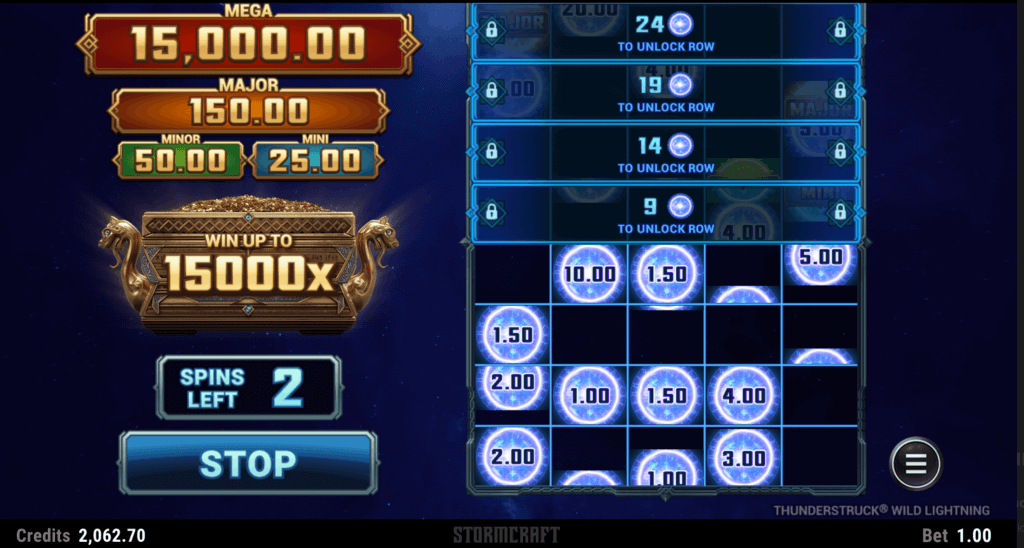
Performance optimization creates another divide. A graphically dense title like a Norse-themed Hold and Win might run at a silky 60 frames per second on a gaming rig. On a mid-range Android device, the same game often sacrifices frames during the coin shower animation. This lag, however small, breaks the dopamine loop. I always advise checking the file size of the app version; overloaded ports deplete batteries and patience.
Category: Uncategorized
Subscribe
If you enjoyed this article, subscribe to receive more just like it.


